Event and congress photographer in Málaga: complete guide
Congresses at FYCMA, company events, launches and celebrations: what a good event photographer does, same-day delivery, how to brief and how much it costs in Málaga.
Málaga has become a hub for business tourism and technology, and with it the demand for event photography has grown: congresses and trade fairs at FYCMA, conventions and product launches, galas, and also social celebrations and big dates like the Feria de Málaga. A good event report is not just a keepsake: it feeds the press release, the annual report, LinkedIn, next year's website and the organiser's social media. This guide explains which event types are covered in Málaga, what a good photographer does, the difference between the corporate and social approach, same-day delivery, how to prepare the brief and how much it costs to hire one.
Types of events covered in Málaga
The event scene in Málaga is broad. On the corporate side, the standouts are the congresses and trade fairs at FYCMA (the trade fair and congress centre), the tech conferences around Málaga TechPark and the new digital hubs, company conventions, product launches and awards galas. On the social side are birthdays and anniversaries, private parties, company celebrations in a relaxed format, and big popular dates like the Feria de Málaga in August.
Each type calls for a different treatment. A congress needs coverage of talks, networking, stands and brand detail; a gala requires care with stage light and award-winner portraits; a social party looks for energy, spontaneous moments and shareable photos. Before hiring, it helps to be clear about which category your event falls into, because it drives the style, the gear and even the number of photographers needed.
What a good event photographer does
A good event photographer's craft shows in what you don't see. They arrive early to scout the room, the light and the flow; they identify the agenda's key moments so they miss neither an important talk nor the networking instant that humanises the brand; and they move discreetly to capture real moments without breaking the rhythm. They work with ambient light and, when needed, subtle bounce flash, so the photos have energy without looking like a direct-flash press report.
They also think like a communicator: alternating the wide shot that sells the attendance and production with the speaker and attendee portrait that adds warmth, and making sure sponsor logos stay legible in the key frames. That mix is what turns an event into useful material for press, the annual report, social media and next year's website.
Corporate or social: two different approaches
At a corporate event — a congress at FYCMA, a convention or a launch — the photo works for the company's communications. What matters is the shot that documents attendance and production, the portrait of speakers and executives, brand and sponsor detail, and sometimes a small corporate portrait station set up at the event itself to refresh the whole team's headshots while they are gathered.
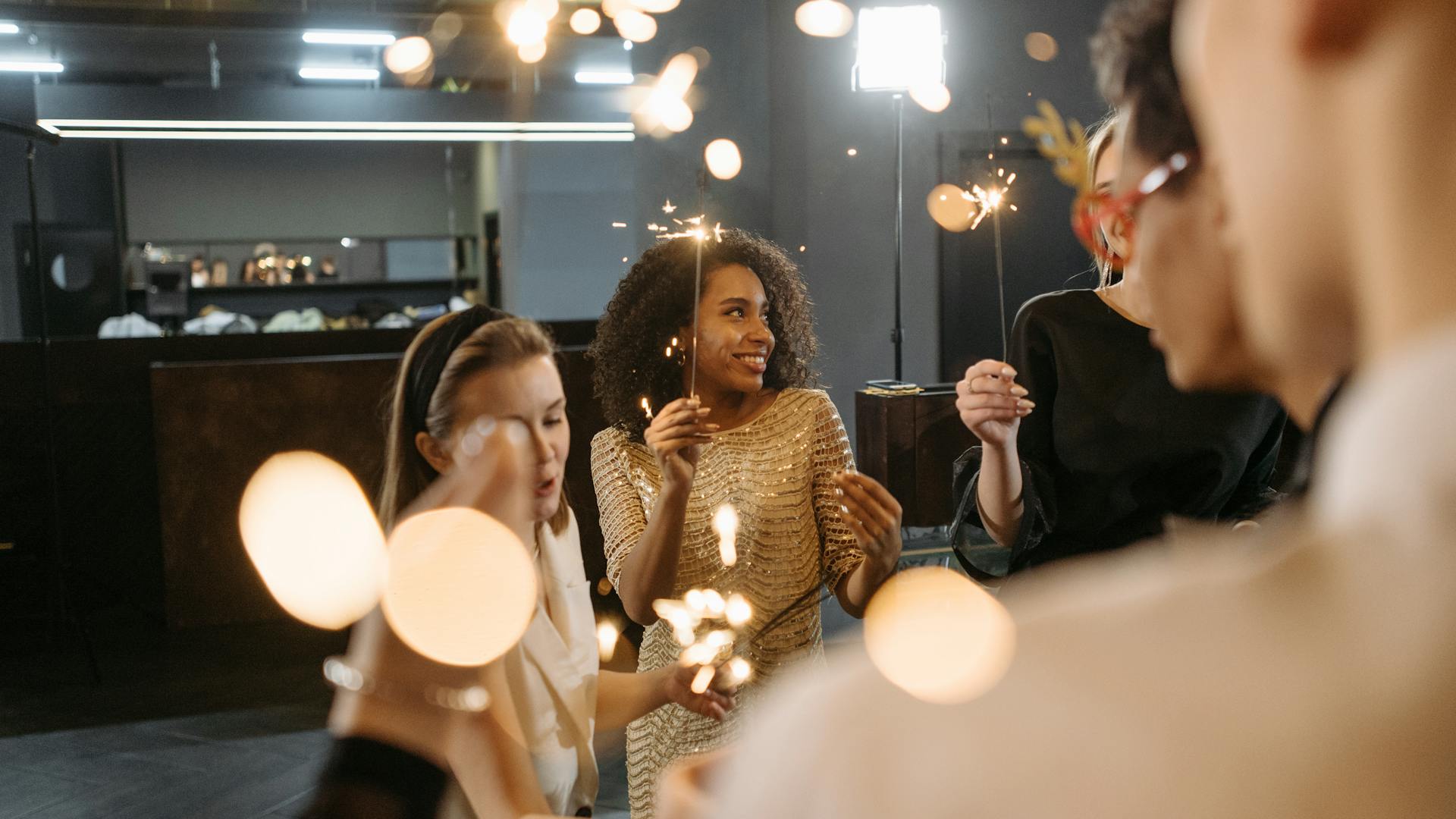
At a social event — a party, an anniversary, a relaxed company celebration — emotion rules. What matters is the real moments between guests, the room's energy, the décor details and a fast turnaround to share while the event is still current. Many organisers combine both approaches: a more documentary block for the brand and a more spontaneous one for the people.
Same-day delivery for press and social
At many events the value of a photo expires fast: a press release or a LinkedIn post work far better on the same day. That is why a professional service offers same-day delivery: a selection edited during the day itself so the comms team can publish in real time, and the full gallery afterwards, within a few business days.
For this to work it helps to agree it in advance and, at large events, to have a workflow that allows downloading, selecting and editing between agenda blocks. If your event has a press conference, renowned speakers or a major announcement, fast delivery stops being an extra and becomes a central part of the assignment.
How to choose and brief your photographer
Choose a photographer with a portfolio of the specific type of event you organise: covering a technical congress is not the same as a party or a gala. Check that they work well with difficult room and stage light, that they deliver within a timeframe that works for you, and that they have references from similar events. A good pro will ask you about the agenda, the must-have moments and the key people before confirming.
The brief makes the difference. Share the programme with times in advance, a list of must-have shots (opening, main speakers, group photo, award presentation), the VIPs and sponsors that must appear, and the room restrictions. Also coordinate accreditations and the venue floor plan. The clearer the brief, the less is missed and the better the result fits what comms needs.
How much it costs and how it is booked
Event photography is usually booked by hours or by coverage blocks. A small social event can be handled in 2-3 hours, while a full-day congress or a wedding requires a whole day and, sometimes, a second photographer. The price depends on those hours, the number of photographers, whether you need same-day delivery, and extras such as a corporate portrait station or video.
The most practical thing is to request a quote stating date, venue, event type, coverage hours and what you need at the end (a gallery for press, for social, portraits, etc.). A good pro will lock a quote upfront, with no hidden extras. For key dates — congress season, Feria de Málaga — it is worth booking ahead because diaries fill up.