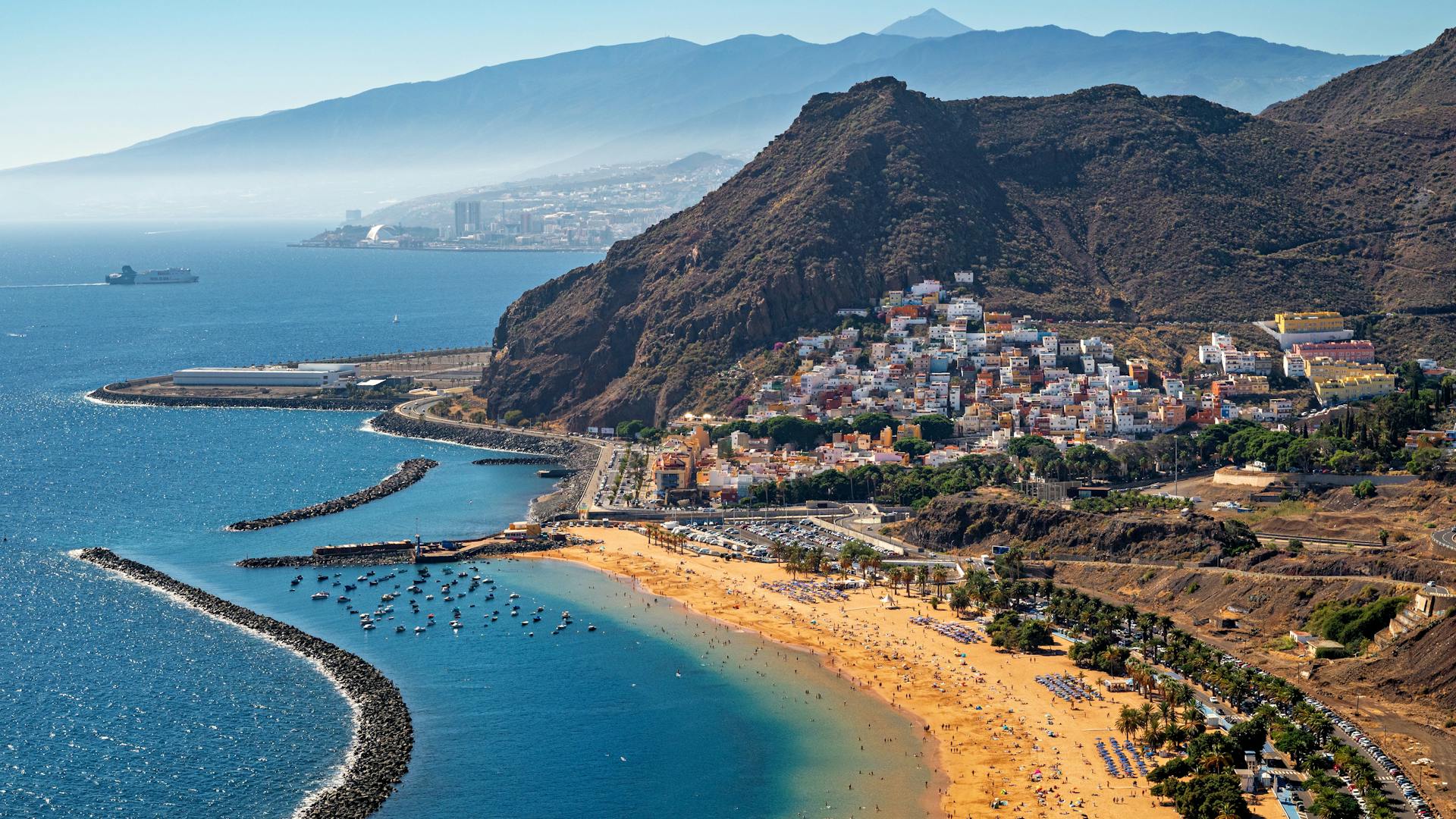
How to choose a photographer in Spain: a complete guide
How to find the right photographer in Spain: define your style, read a portfolio properly, ask the right questions before booking, and spot the red flags.
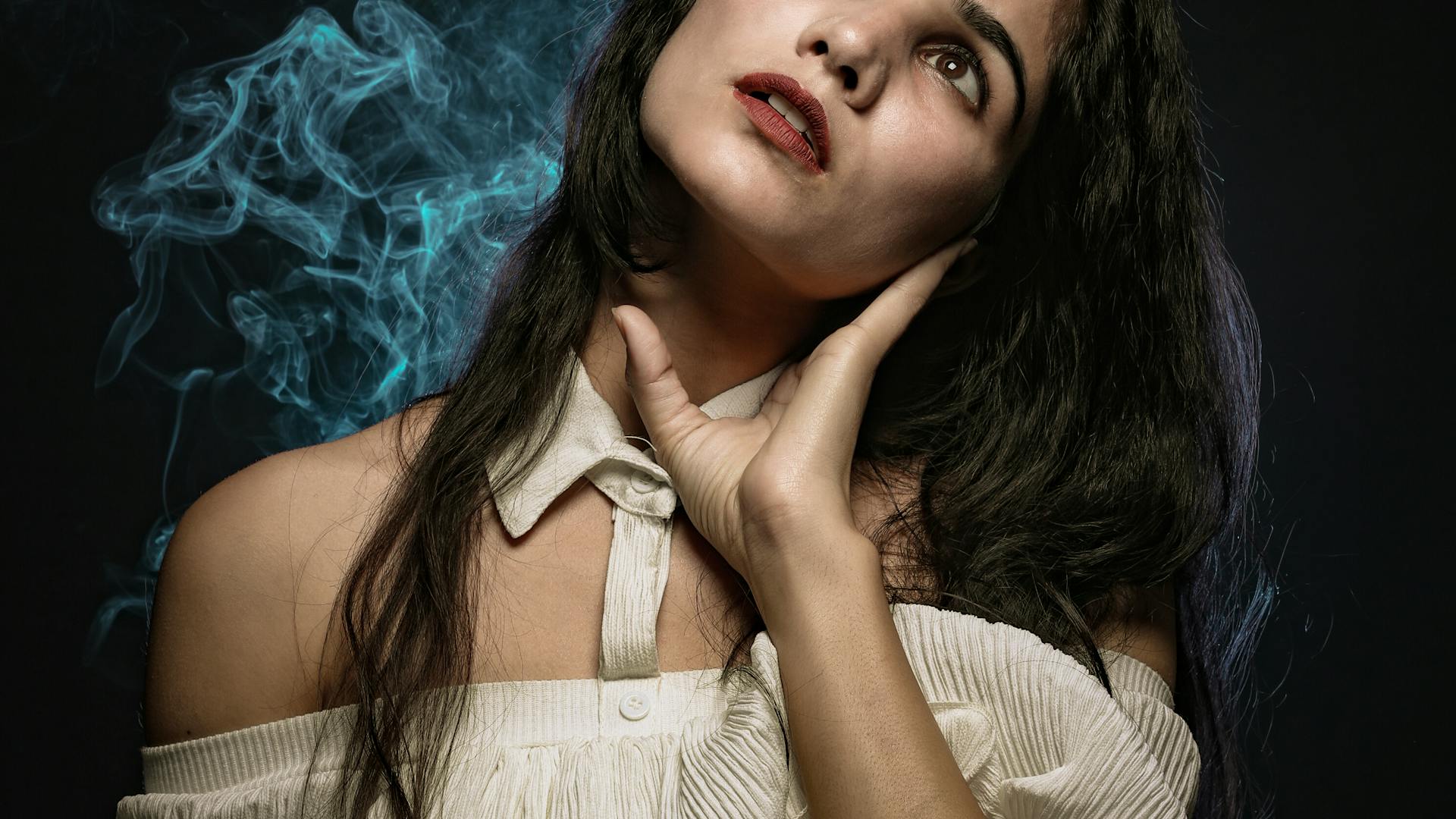
Choosing a photographer in Spain comes down to four things: matching their style to the photos you actually want, judging a full portfolio (not just the highlights), asking the right questions before you pay, and trusting clear communication over the lowest price. Start by deciding the kind of session you need and the look you love. Then compare two or three photographers on consistency, reviews, and what their quote includes. This guide walks you through each step so you book with confidence and avoid the most common — and most expensive — mistakes.
Start with the style and session you actually want
Before comparing names, get clear on what you need. Define the type of session (portrait, family, couples, corporate headshots, wedding) and the look you want: bright and natural, dark and editorial, or classic and timeless. A photographer who is brilliant at moody wedding work may not be the right fit for clean corporate headshots. Almost every professional has a real specialty, even if they offer everything.
Save 8 to 10 reference images you love, whether from Instagram, Pinterest, or magazines. This helps the photographer understand your taste in seconds and, more importantly, tells you whether their work lives in the same visual world as your references. If your examples are all warm and sunny and their portfolio is dark and dramatic, you probably are not a match.
How to read a portfolio properly
Look for consistency across a full gallery, not three perfect shots. Ask to see a complete recent session from start to finish. Anyone can have three lucky frames; a solid professional delivers 40 good photos in a row, with coherent light, framing, and editing. That consistency is exactly what you will receive.
Check that they shoot your specific scenario. If you want a family session with small children, look for real families with real kids, not only perfectly posed couples. Photographing a moving three-year-old is a very different skill from photographing a model.
Pay attention to skin tones and editing style over time. Skin tones should look natural and flattering on different people, not orange or gray. And look at photos from a year ago and from last month: if the style is stable, you know what you will get; if it changes every week, they are still finding their voice.
The questions to ask before booking
About what the session includes: how many hours it lasts, how many locations and outfit changes it allows, how many edited photos you will receive, and in what time frame. A vague answer ("we will see which photos come out") is a bad sign; a professional gives you clear numbers in writing.
About the unexpected: what happens if it rains, if you get sick, or if you need to reschedule. Also ask who will actually take the photos. At some studios you book with a known photographer but a different person shows up on the day. Confirm it beforehand.
About delivery and rights: how you receive the photos (online gallery, USB), what use you can make of them (social, print, commercial), how long they keep your files, and whether there is a backup. Finally, always ask for a contract and clear deposit terms: it protects both sides.
Understanding the quote and what is included
Price is not just a number: compare what each quote includes. A short portrait session and a full-day wedding sit in very different ranges, and what looks expensive sometimes includes hours of editing, printed copies, or a second photographer that another quote leaves out. Always read the price against what you receive, not in the abstract.
The cheapest is rarely the best value. A quote far below the rest usually hides less experience, fewer final photos, no contract, or no backup. And photos that only happen once — a wedding, a pregnancy, a newborn — cannot be redone if they come out wrong. To understand real ranges by session type, our pricing guide and the wedding-photographer pricing guide we link at the end give you honest reference points.
Red flags to avoid
Be wary if there is no contract, no written deposit terms, or if they refuse to show you full galleries and only send loose photos. Other red flags: pressure tactics to book "today", no verifiable reviews, or slow, confusing communication before you have even paid. If they treat you like that while you are still a prospect, imagine afterward.
Also beware of anyone who promises too much: "I deliver 800 edited photos in 24 hours" usually means photos that are not truly edited. And of quotes with no breakdown. A good professional calmly explains what is included, answers your questions without being annoyed, and gives you peace of mind. That sense of trust, more than any offer, is the best sign that you have chosen well.
How Fotio makes choosing easy
At Fotio we match you with a vetted photographer for your city and session type, with a style that fits what you want. Every professional passes a portfolio review, prices are transparent, and you know from the start how many edited photos you receive and when. No surprises, no fine print.
Ready to book? Check our pricing, browse the profiles of photographers available in your city, and reserve your session in a few minutes. And if you are torn between two options, write to us: we will help you choose the one that fits you best, with no obligation.