Food photography for restaurants in the Canary Islands
Why food photos raise your bookings, how the light and Canarian produce are handled, what a session includes and how much it costs in Tenerife, Gran Canaria and Ibiza.
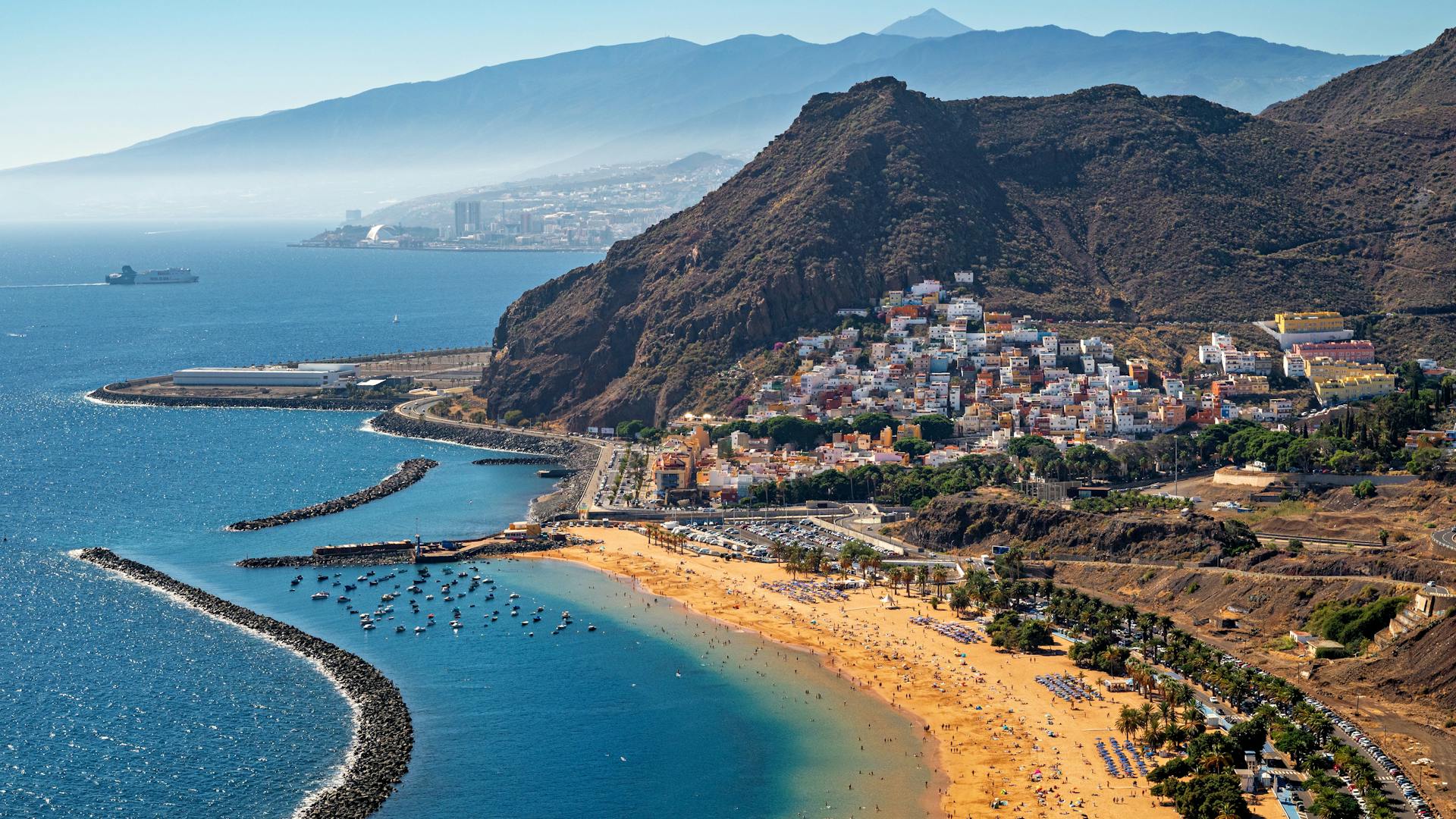
In hospitality, the first photo decides whether a guest books or keeps scrolling. In the Canary Islands, where competition for the tourist is fierce and almost everything is chosen on a phone — Google, TheFork, Instagram — professional food photos are one of the best-return investments a restaurant can make. This guide explains why food photography sells more, how the Atlantic light and local produce are handled, what a session includes, which formats it is delivered in for menu, web and delivery, how to prepare your restaurant and how much it costs in Tenerife, Gran Canaria and Ibiza.
Why food photos sell more
The decision to book is now made by looking at images. On a Google Business listing, on TheFork or on an Instagram profile, the cover photo and the first few in the carousel decide in a second whether the guest comes in or moves on. A well-photographed dish conveys freshness, care and price level before a single word of the menu is read.
Good photos also let you charge more. When the image communicates quality, guests accept a higher ticket without feeling they are overpaying. And on delivery platforms the effect is direct: the first photo of each dish is, literally, the buy button. Replacing a poor catalogue with a professional one usually moves orders and bookings faster than almost any other marketing action.
Atlantic light and Canarian produce: the local edge
The Canaries have two advantages the mainland does not offer: intense but diffuse light much of the year, and produce with real visual character. Papas arrugadas with red mojo, freshly landed cherne and vieja, Guía or majorero cheeses, gofio, Canary bananas and Malvasía wines on volcanic stone give contrast and texture without expensive props.
The technique adapts to the venue's positioning: north-facing window light for clean plated dishes, and harder side light for a dramatic, shadow-rich still life at a grill house or fine-dining spot. In Ibiza, the luminous Mediterranean aesthetic — whitewash, sea blue, an outdoor table — also calls for its own treatment. The goal is always the same: food that looks authentic and appetising, with true colour, no fluorescent sauces or impossible greens that later trigger complaints.
What a restaurant session includes
A standard session covers 12 to 20 dishes in 2-4 hours, coordinated with the kitchen so each plate hits the camera at its peak. It usually includes top-down shots for the menu and digital carte, 45° angle detail for social, and product still life for context. If the venue wants it, room ambience, bar and staff in action are added — material that strongly reinforces the Google listing.
It is shot at closing time or between services so it never interferes with the pass. Editing matches colour across all dishes — key when the menu is seen together — and respects the real colour of the food. The result is not just a handful of pretty photos: it is a coherent catalogue you can use across every channel for months.
Formats: menu, web, Google, TheFork and delivery
Each dish should be delivered with its destination in mind. In practice that means several versions: horizontal for the website and booking (TheFork, the Google Business listing), square 1:1 for the Instagram feed, and vertical 4:5 and 9:16 for Stories and Reels. For platforms like Glovo or Just Eat a clean, bright crop works best, because there the first photo is the order's hook.
Beyond the food, a good pack includes high resolution for the printed menu and for press or food guides. Always ask that the delivery comes already cropped into these formats: it saves you hours of internal work and stops your professional photos from ending up badly cropped by an automatic tool.
How to prepare your restaurant for the shoot
The session goes better with a little preparation. Choose in advance the 12-20 dishes you want to highlight (the most profitable and the most photogenic), make sure you have fresh produce that day, and coordinate the order of service with the kitchen so nothing sits plated for too long. Also gather the tableware, boards and linen that best represent your style; in many venues a couple of pieces of local ceramics make the difference.
For most menus the chef plates as they would in service and the photographer directs the small on-camera tweaks: height, sauce lines, a touch of freshness. Only product or advertising campaigns require a food stylist, who can be coordinated with local island suppliers. Book the session on a quiet day and free up one kitchen person to support during those hours.
How much it costs and how often to refresh
Prices depend on the number of dishes and the usage. A basic social pack with a few dishes starts from around €60, while a full menu session (12-20 dishes with matched editing and several formats) usually runs €250-500. In Ibiza and at peak season rates can be somewhat higher due to demand. It is always best to lock the quote upfront, with no surprises.
As for frequency, the norm is one session when you change the menu or season — two or three times a year in an active restaurant — plus a small pack when you launch a signature dish or a promotion. Keeping the catalogue up to date avoids the "old photo" effect that undermines credibility and ensures novelties always have their best image from day one.